Blog 2
The Long Road Home: A Life Story of Piyash Dutta
My name is Piyash Dutta. For a long time, that name was a secret I kept not only
from the world but from myself. It was a name that didn't exist, hidden behind a
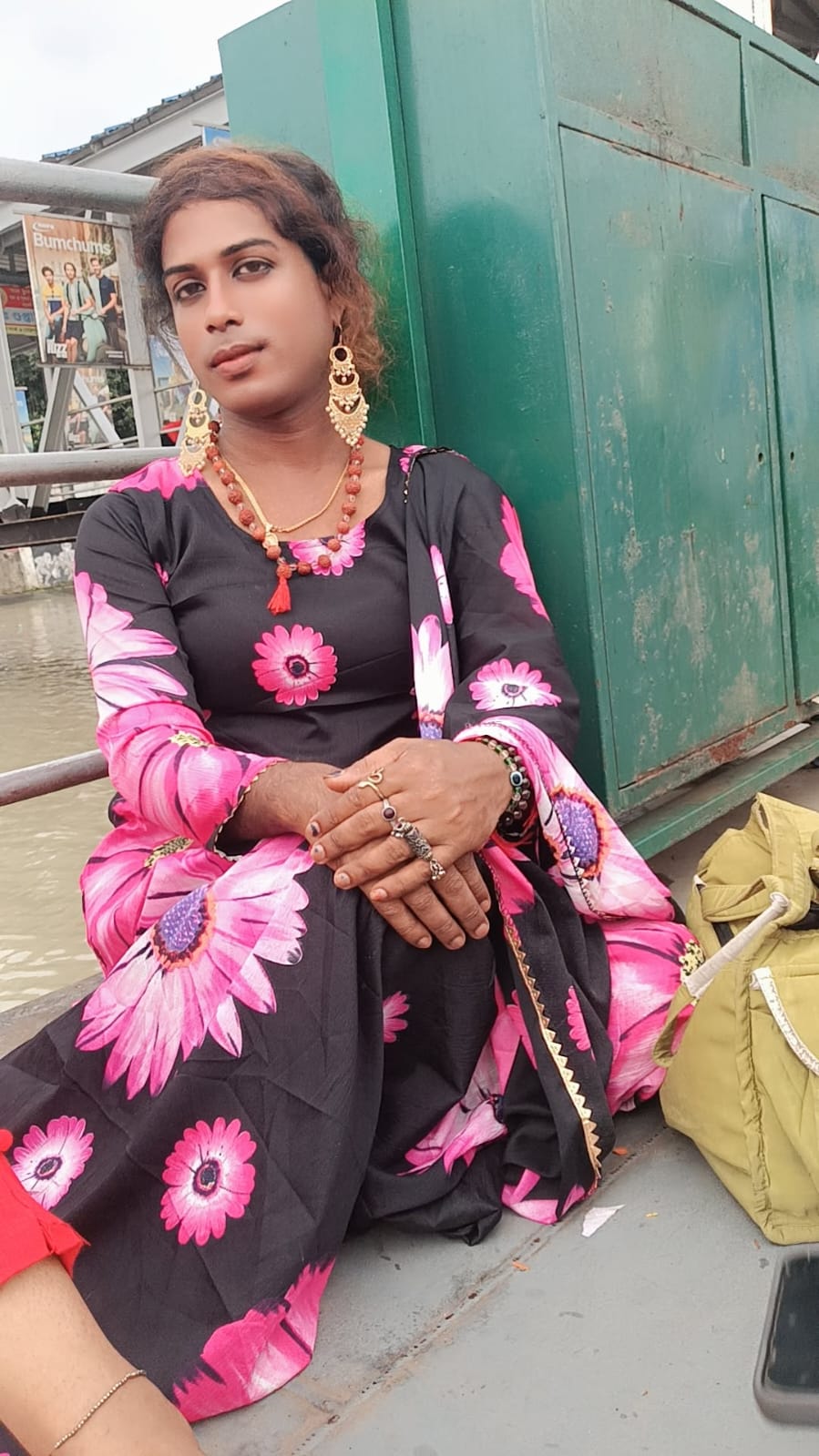
girl's clothes and long hair, buried under the weight of expectations. My story
isn't just about a transition; it's about a long, arduous journey back to myself.
From a very young age, the reflection in the mirror never quite matched the person I
felt I was. While other children played without a second thought, I felt a quiet,
persistent wrongness. I felt most at home in boys' clothes, and my short hair felt
like a simple, honest expression of who I was. It was a source of comfort, a small
piece of authenticity in a world that didn't yet make sense.
But childhood innocence is fragile. As I grew older, the whispers and the pressure
from my family grew louder. The message was clear and chilling: conform, or your
future will be taken from you. The path to higher education, to a life of my own,
was conditional. I had to wear the girls' clothes. I had to keep my hair long. I had
to perform the role they had written for me. The stakes felt too high to be my true
self. I was terrified of being left with nothing. So, I began the painful process of
erasing Piyash.
For twelve long years, I lived a lie. Day in and day out, I donned the uniform of a
person I was not. I hoped that with time, I could learn to accept it, that the
performance would somehow become reality. But it was a slow poison. By 2021, I had
reached my breaking point. The denial I had built around myself collapsed, and I was
left staring into an abyss.
The body I inhabited felt like a prison, a foreign entity that was a constant source
of pain. This was Body Dysphoria and Gender Dysphoria in its most potent, cruel
form. I couldn't bear to look at myself, and the simple, everyday act of being
called "Madam" felt like a knife to my soul. I tried to explain it to my friends,
but the language of my internal pain was a language they couldn't understand. They
saw my clothes, my hair, my body, and their perception was fixed. They couldn’t
grasp that a person’s outer appearance is not a declaration of their inner identity,
that so many of us are forced by societal pressure to live lives that are not our
own. This assumption—that a body assigned female at birth demands a lifetime of
femininity—is a formula for profound, soul-crushing mental anguish.
The harassment, the feeling of being utterly unseen and unheard, became unbearable.
The world felt cold and hostile, and a desperate loneliness set in. In that
darkness, I saw no way out. I attempted suicide. It is the deepest shame and the
greatest turning point of my life.
But I was given a second chance. A few people saw me, the real me, behind the mask.
They didn't just offer pity; they offered understanding and courage. They became the
lifeline I so desperately needed, giving me the strength to fight for my own life.
With their support, I made a decision: I would no longer ask for permission to
exist. I would take control of my narrative and begin the journey of
gender-affirming transition. In 2022, I began the process for Sex Reassignment
Surgery (SRS). This was not a frivolous choice; it was a necessity for my very
survival. My family's disapproval remained, and it was clear I couldn't stay. So, I
left the only home I had ever known and started living alone in a small rented room.
It was a period of profound uncertainty, but it was also the beginning of my
freedom. In 2023, my surgery was completed. I was finally, physically, becoming the
person I had always been.
The years that followed were a period of slow and steady healing. The relationship
with my family remained a quiet, painful silence. Until 2025, something shifted. My
mother, who had once been the loudest voice of dissent, accepted me. She asked me to
come back home.
On the 1st of February, 2025, I returned. To my family home. To my family.
To mark the occasion of my return and my true arrival, my family organized a
Satyanarayan Puja, a prayer ritual for peace and prosperity. As the eldest son of
the family, the priest performed the ceremony using my new name, Piyash Dutta, and
my new gotra. Sitting there, in my home, being recognized and blessed as the son I
had always been, was a moment of such profound validation. It wasn't just an
achievement; it was a homecoming.
My path was long and treacherous. It was paved with denial, pain, and loss. But
today, I stand here, my head held high, surrounded by the love of my mother, father,
brother, and my entire family. The love, acceptance, and recognition I have now are
the greatest achievements of my life. I am Piyash Dutta. I am a trans man. And I am
finally, truly, home.